Knee Arthroscopy Surgery in Indore – Dr. Rishabh Chouhan
Knee pain, swelling, or restricted movement can affect your daily routine and performance. Dr. Rishabh Chouhan, a leading Orthopedic Surgeon in Indore, offers advanced knee arthroscopy—a minimally invasive procedure to diagnose and treat various knee conditions with precision and faster recovery. Recognized as a Best Orthopedic Doctor in Indore, he combines modern techniques with a patient-first approach to deliver optimal outcomes.
Practicing at Shalby Multispeciality Hospital, he is also a trusted Knee Replacement Doctor in Indore, Arthroscopy Surgeon in Indore, and Sports Injury Specialist in Indore, providing comprehensive orthopaedic care.
What is Knee Arthroscopy?
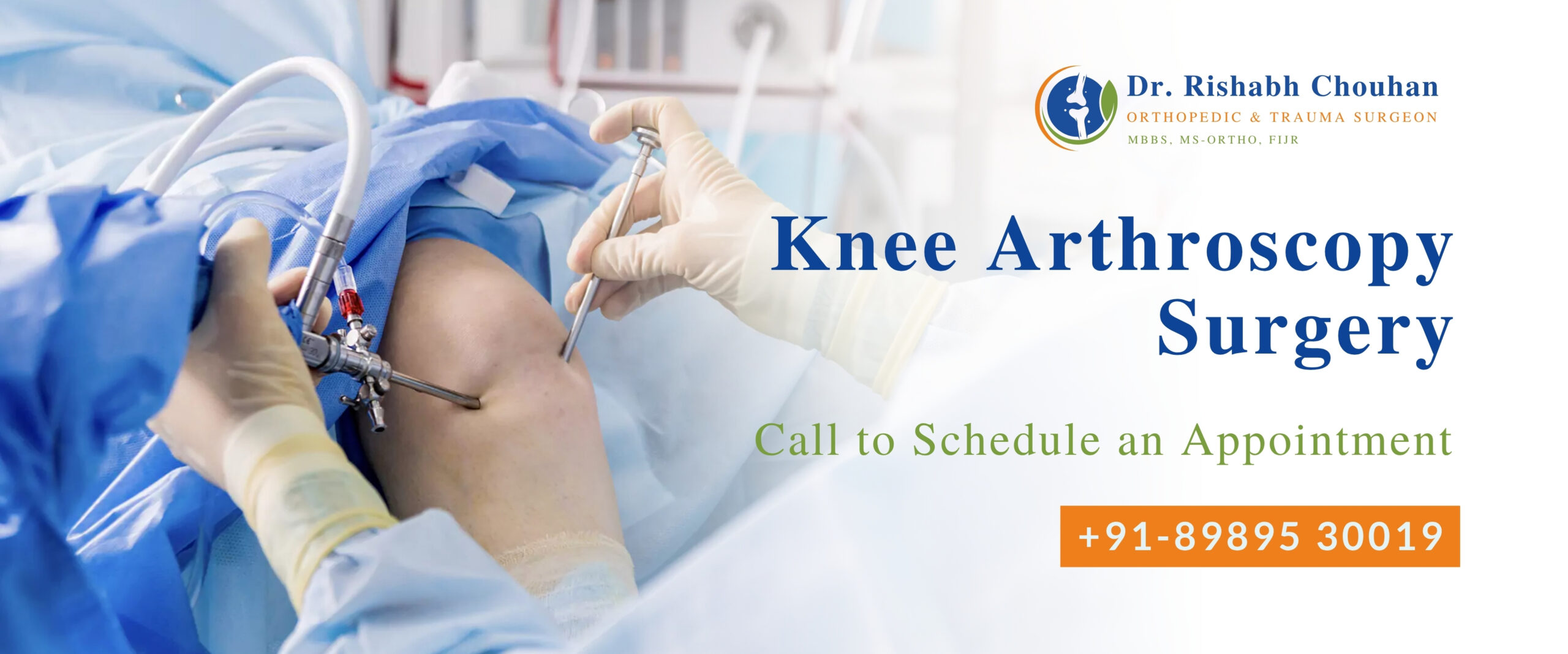
Knee arthroscopy is a minimally invasive surgical procedure where a small camera (arthroscope) and specialized instruments are used to diagnose and treat knee joint problems through tiny incisions.
Common Conditions Treated with Arthroscopy
Signs You May Need Knee Arthroscopy
Procedure Overview
Benefits of Knee Arthroscopy
Recovery & Rehabilitation
Recovery is typically quicker compared to open surgery. Patients follow a structured physiotherapy plan to restore strength, flexibility, and stability. Gradual return to daily activities ensures safe healing and long-term results.
Why Choose Dr. Rishabh Chouhan?
Conveniently located near Janjeerwala Square, R.S. Bhandari Marg, Palasia, South Tukoganj, Race Course Road, Vijay Nagar, and surrounding areas of Indore for easy accessibility.