Best Tendinitis Treatment in Indore | Dr. Rishabh Chouhan – Orthopaedic Surgeon & Sports Injury Specialist
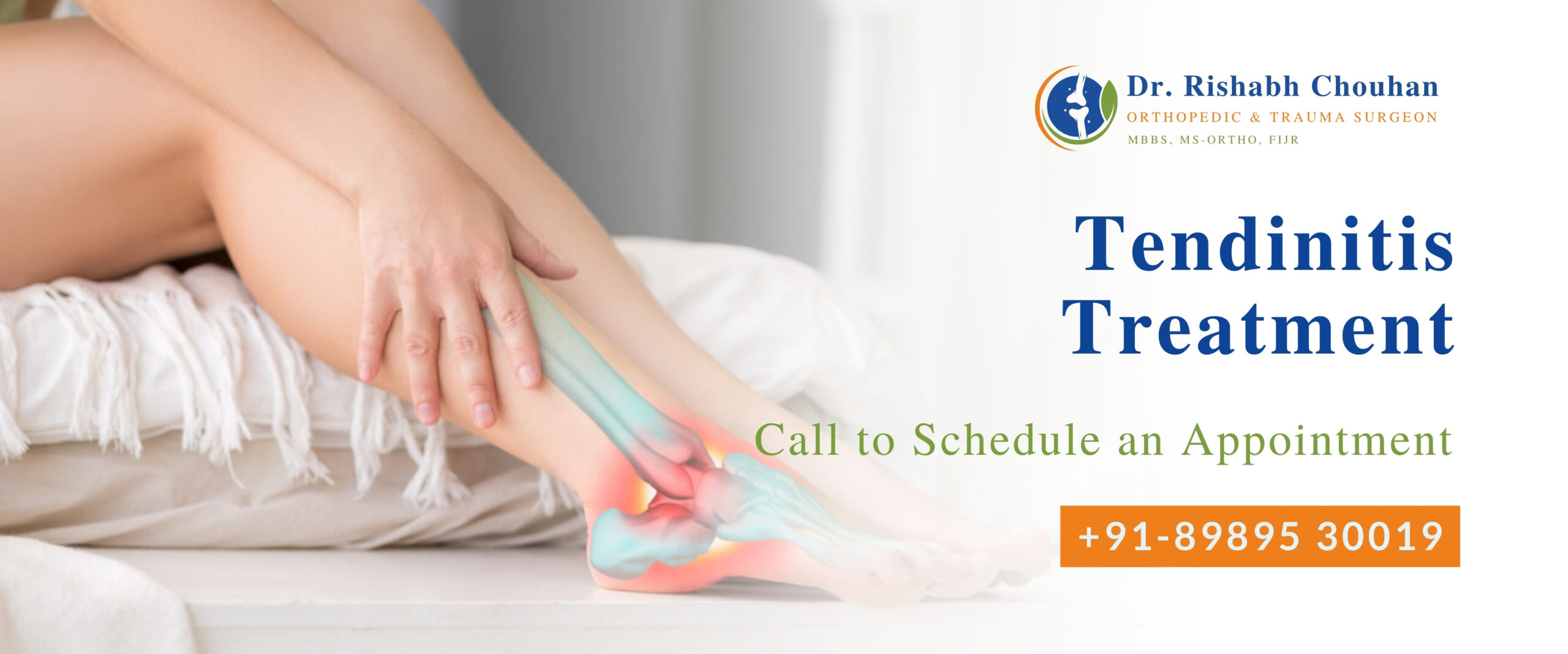
Tendinitis is a common cause of knee pain, especially among active individuals and athletes. It occurs when tendons—thick tissues connecting muscles to bones—become inflamed due to overuse, strain, or injury. Conditions like patellar tendinitis (jumper’s knee) and quadriceps tendinitis can limit mobility and affect daily life.
At Dr. Rishabh Chouhan’s clinic, patients receive expert, evidence-based care from a leading Orthopedic Doctor in Indore and Sports Injury Specialist in Indore. Known as one of the Best Orthopedic Doctors in Indore, Dr. Chouhan focuses on accurate diagnosis, personalized treatment, and faster recovery.
Causes of Tendinitis
Signs & Symptoms
Advanced Treatment Options
As a trusted Orthopedic Surgeon in Indore and Arthroscopy Surgeon in Indore, Dr. Chouhan offers:
Non-Surgical Care: Rest, activity modification, medications, and structured physiotherapy
Sports Rehabilitation: Targeted strengthening and mobility programs
Injection Therapies: Corticosteroids or PRP for faster healing
Minimally Invasive Procedures: Arthroscopic intervention in severe or chronic cases
Why Choose Dr. Rishabh Chouhan?
Whether you’re dealing with sports-related knee pain or chronic tendinitis, early treatment can prevent complications.Book your consultation today with a leading Knee & Sports Injury Specialist in Indore and take the first step toward a pain-free, active life.